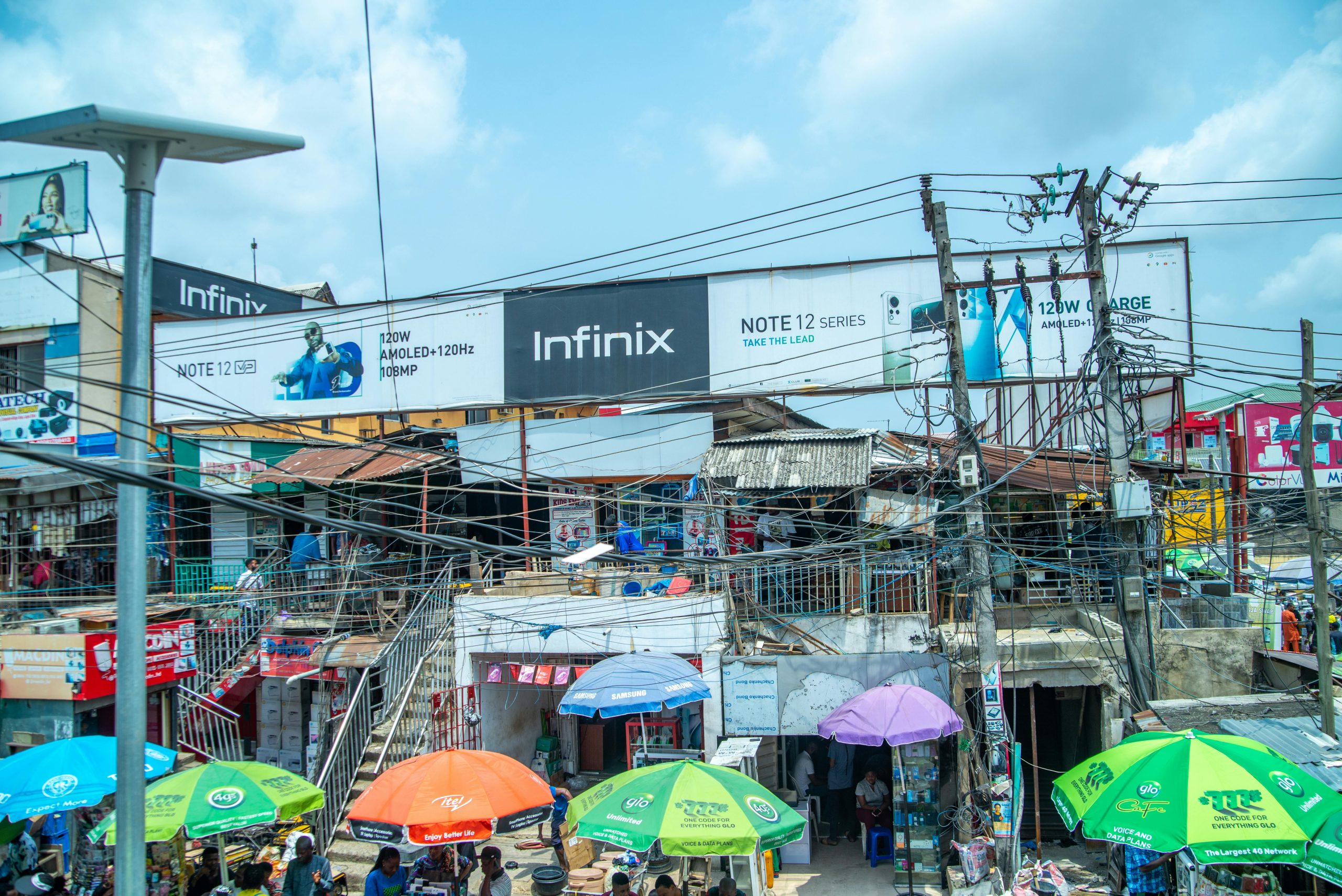
The Importance of Transparency in African E-Commerce: Building Trust for a Digital Future
Introduction.The Importance of Transparency in African
Africa’s e-commerce sector is booming, fueled by increasing internet penetration, mobile technology, and a youthful population. Platforms like Jumia, Takealot, and MallforAfrica are transforming retail, yet trust remains a critical barrier. Transparency is the cornerstone of overcoming this challenge, fostering consumer confidence, and ensuring sustainable growth. This blog explores how transparency shapes the future of African e-commerce.
1. Building Consumer Trust Through Openness.
In a region wary of online fraud, transparency is vital. Clear product descriptions, authentic customer reviews, and honest business practices help bridge the trust gap. For instance, Jumia’s “Jumia Verified” program assures product authenticity, addressing concerns about counterfeit goods prevalent in informal markets.
2. Transparent Pricing: Eliminating Hidden Costs.
Hidden fees at checkout deter purchases. African consumers, many new to online shopping, value upfront pricing. Platforms like Konga display all costs, including taxes and shipping, reducing cart abandonment. Mobile money integration (e.g., M-Pesa in Kenya) further simplifies transparent transactions.
3. Authenticity and Quality Assurance. The Importance of Transparency in African
Counterfeit products plague markets. E-commerce sites must guarantee genuineness. Takealot in South Africa partners with certified sellers, providing detailed product info and warranties, enhancing consumer confidence.
4. Logistics: Delivering on Promises. The Importance of Transparency in African
Logistical challenges in remote areas require clear communication. Tracking systems and SMS updates, as used by Kenya’s Copia, keep customers informed, managing expectations and reducing frustration.
5. Secure, Transparent Payment Methods
With low credit card use, cash-on-delivery dominates. Platforms must ensure transparent payment confirmations and receipts. Nigeria’s Paystack offers secure payment gateways, detailing transaction records for accountability.
6. Data Privacy: Earning Digital Trust
As data breaches rise, compliance with regulations like Nigeria’s NDPR is crucial. Platforms must clearly communicate data usage policies, building trust in digital ecosystems.

7. Case Studies: Success Through Transparency
- Jumia: Transparent return policies and customer service via social media have rebuilt trust post-controversies.
- MallforAfrica: Partners with DHL for reliable delivery, providing real-time tracking and customs cost clarity.
8. Regulation and Self-Regulation
Governments and industry bodies must enforce standards, while companies can self-regulate. Ghana’s National E-Commerce Strategy promotes fair practices, encouraging sector-wide transparency.
9. Cultural and Linguistic Considerations
Local language support and culturally relevant communication enhance understanding. Platforms like Egypt’s Souq.com (now Amazon.eg) use Arabic for clear user engagement.
Conclusion: The Path Forward.
Transparency is not optional—it’s essential for Africa’s e-commerce growth. By prioritizing honest practices, platforms can unlock the continent’s vast potential, turning cautious consumers into loyal advocates. As technology evolves, those embracing transparency will lead Africa’s digital retail revolution.
Call to Action
Entrepreneurs and policymakers must collaborate to standardize transparency, ensuring e-commerce becomes a trusted pillar of Africa’s economy. The future is bright for those who operate in the light.
1.Navigating VAT and Sales Tax: A Guide for E-Commerce Businesses in Africa
2.Subscription Product With Setup Fee
3.https://www.tiens.com/product/healthy-food.htm
Discover more from Egere Market
Subscribe to get the latest posts sent to your email.