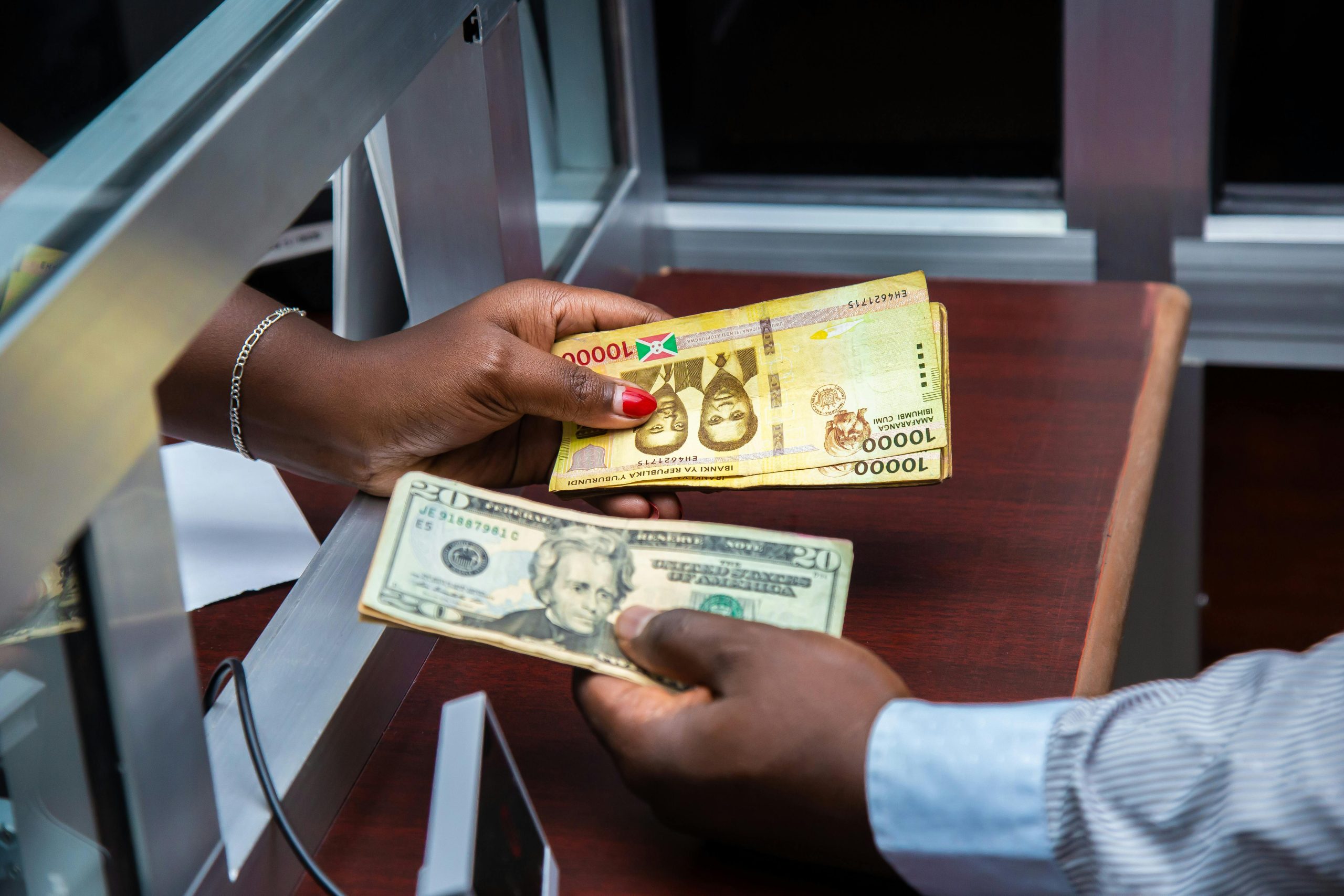
Building Africa into an Investment Banking Hub: Costs, Challenges, and Opportunities
Africa into an Investment Banking Africa’s emergence as a dynamic player in global finance has sparked curiosity about the investments required to transform the continent into a robust investment banking platform. While quantifying the exact dollar figure is complex—due to the multifaceted nature of economic development—this blog explores the key financial inflows, infrastructure investments, and strategic efforts shaping Africa’s journey toward becoming a viable investment banking hub.
The Vision: Africa as an Investment Banking Powerhouse
Africa’s vast resources, youthful population, and rapid digital adoption position it as a frontier for financial innovation. However, building a mature investment banking ecosystem requires addressing infrastructure gaps, regulatory harmonization, and talent development. Let’s break down the investments fueling this transformation.
Key Investment Areas
- Fintech Revolution
Fintech is the backbone of Africa’s financial inclusion drive. Startups like Flutterwave ($250M+ raised), Interswitch ($200M+), and Chipper Cash ($150M+) have attracted over $2 billion in venture capital since 2020. These platforms enable digital payments, lending, and wealth management—cornerstones for investment banking activities. - Infrastructure Development
The African Development Bank (AfDB) has invested $40+ billion in transport, energy, and ICT infrastructure over the past decade. Reliable internet and power are critical for trading platforms and data centers. For example, the Africa Digital Moonshot initiative aims to connect 1.3 billion people to affordable broadband by 2030, costing an estimated $100 billion. - Capital Markets Expansion
Strengthening stock exchanges (e.g., Johannesburg Stock Exchange, Nigerian Exchange) and bond markets requires regulatory upgrades and investor confidence-building. The African Securities Exchanges Association (ASEA) reports a combined market capitalization of $1.5 trillion across its 25 member exchanges—a foundation to build upon. - Human Capital and Regulation
Training programs like the African Financial Industry Initiative (AFII) and partnerships with global banks (e.g., Goldman Sachs, Citigroup) aim to upskill local talent. Allocating $500 million–$1 billion annually for education and regulatory reforms could bridge gaps in expertise and compliance frameworks.

Challenges and Risks Africa into an Investment Banking
- Political and Regulatory Fragmentation: Africa’s 54 countries face disparate regulations, complicating cross-border transactions. Harmonizing policies could save $5–10 billion annually in compliance costs.
- Currency Volatility: Hedging mechanisms and regional currency unions (e.g., Eco in West Africa) require $20–30 billion in stabilization funds.
- Infrastructure Deficits: Closing Africa’s $100B+/year infrastructure gap remains critical for attracting institutional investors.
Success Stories
- JUMO: This fintech platform has facilitated $3 billion+ in loans across Africa, demonstrating scalable micro-investment models.
- The African Continental Free Trade Area (AfCFTA): By streamlining trade, AfCFTA could boost intra-African investments by $15–25 billion annually by 2040.
The Road Ahead Africa into an Investment Banking
Transforming Africa into an investment banking hub isn’t a single project but a collective, ongoing effort. Conservative estimates suggest $200–300 billion in cumulative investments over the next decade—spanning tech, education, and infrastructure—could unlock the continent’s $3 trillion GDP potential.
Conclusion
While pinning down an exact dollar figure is elusive, Africa’s metamorphosis into an investment banking platform hinges on sustained collaboration between governments, private investors, and global institutions. The returns? A thriving financial ecosystem that benefits both Africa and the world.
Investors, policymakers, and innovators: Africa’s time is now. Are you ready to be part of its financial renaissance?
[Sources: AfDB, Crunchbase, ASEA, and industry reports. Figures are estimates based on recent data.]
This blog balances ambition with realism, highlighting progress and hurdles while inviting stakeholders to contribute to Africa’s financial future.
1.Rising Giants: How African E-Commerce Startups Are Redefining Success
2.https://opportunik.com/blog/
Discover more from Egere Market
Subscribe to get the latest posts sent to your email.